News & Media
Coverage, interviews, and speaking engagements documenting Arn Chorn-Pond’s work in peacebuilding, cultural preservation, and healing through the arts.
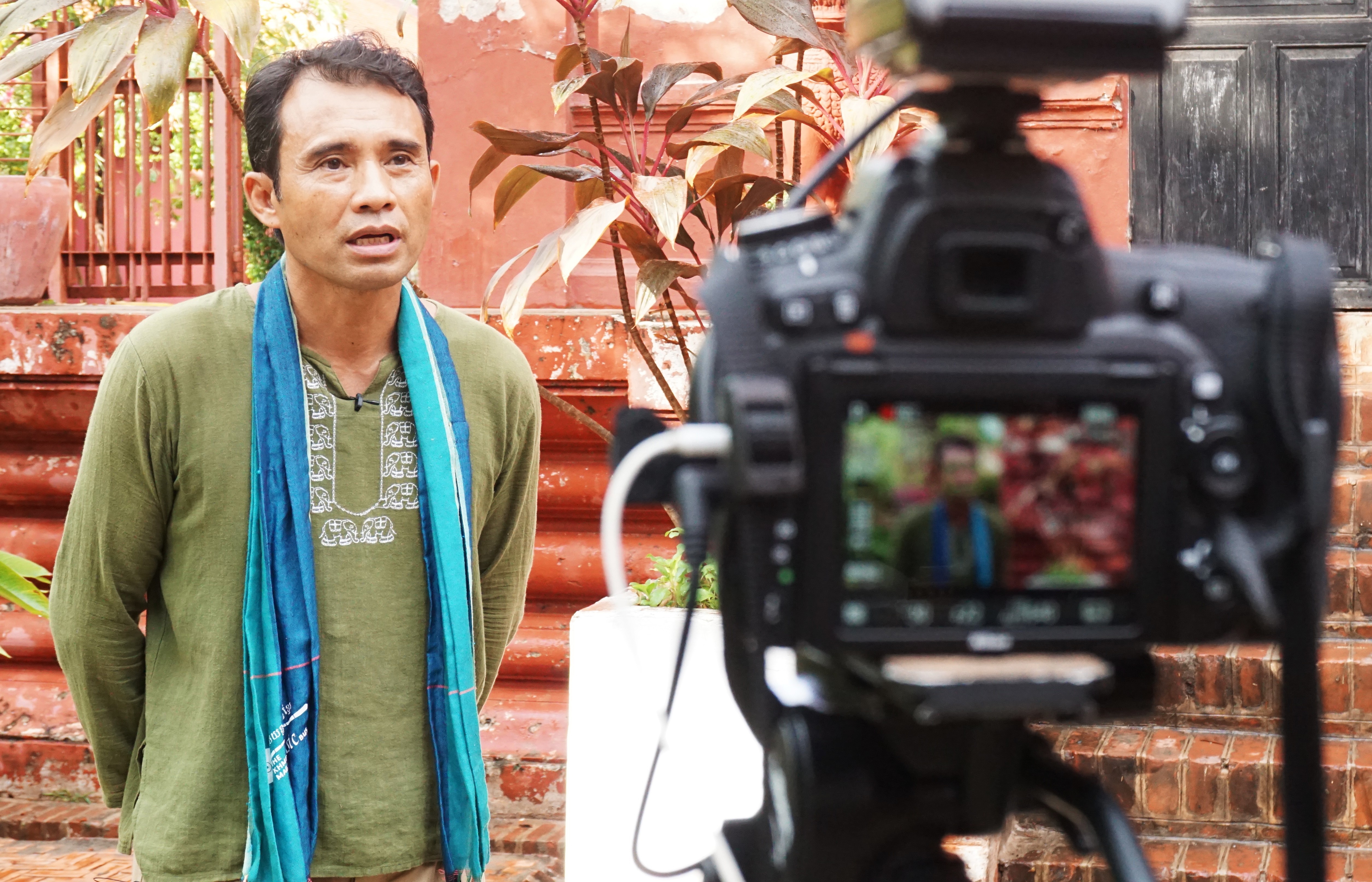
Selected written pieces from international publications that explore Arn Chorn-Pond’s life, work, and the enduring role of music and memory in post-conflict healing.
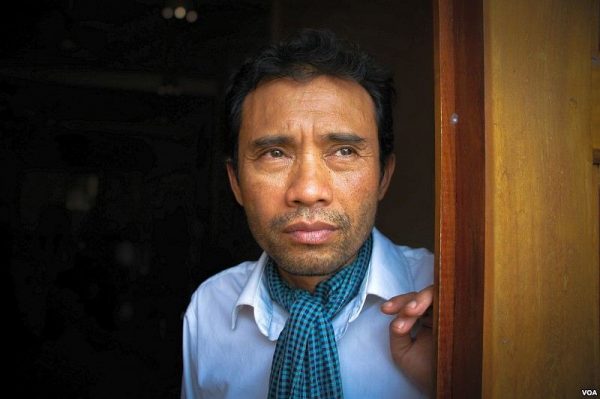
An article that walks through an interview had with Arn, talking about his experiences growing up in the Khmer Rouge, and how it propels what he does today.
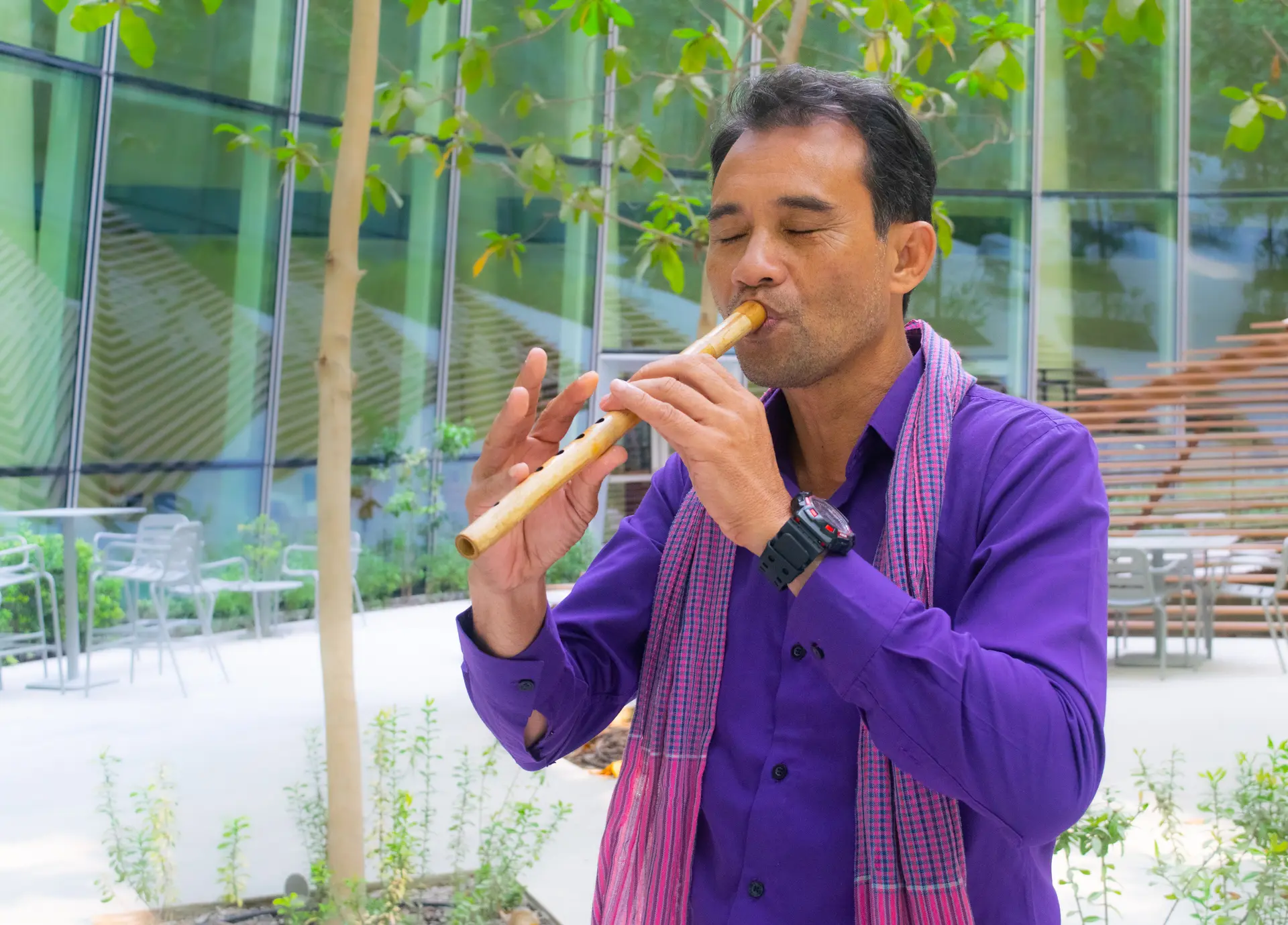
An NYU article talking about Arn's experience with the Khmer Rouge, and how he uses his past to be an ambassador for peace in today's world.
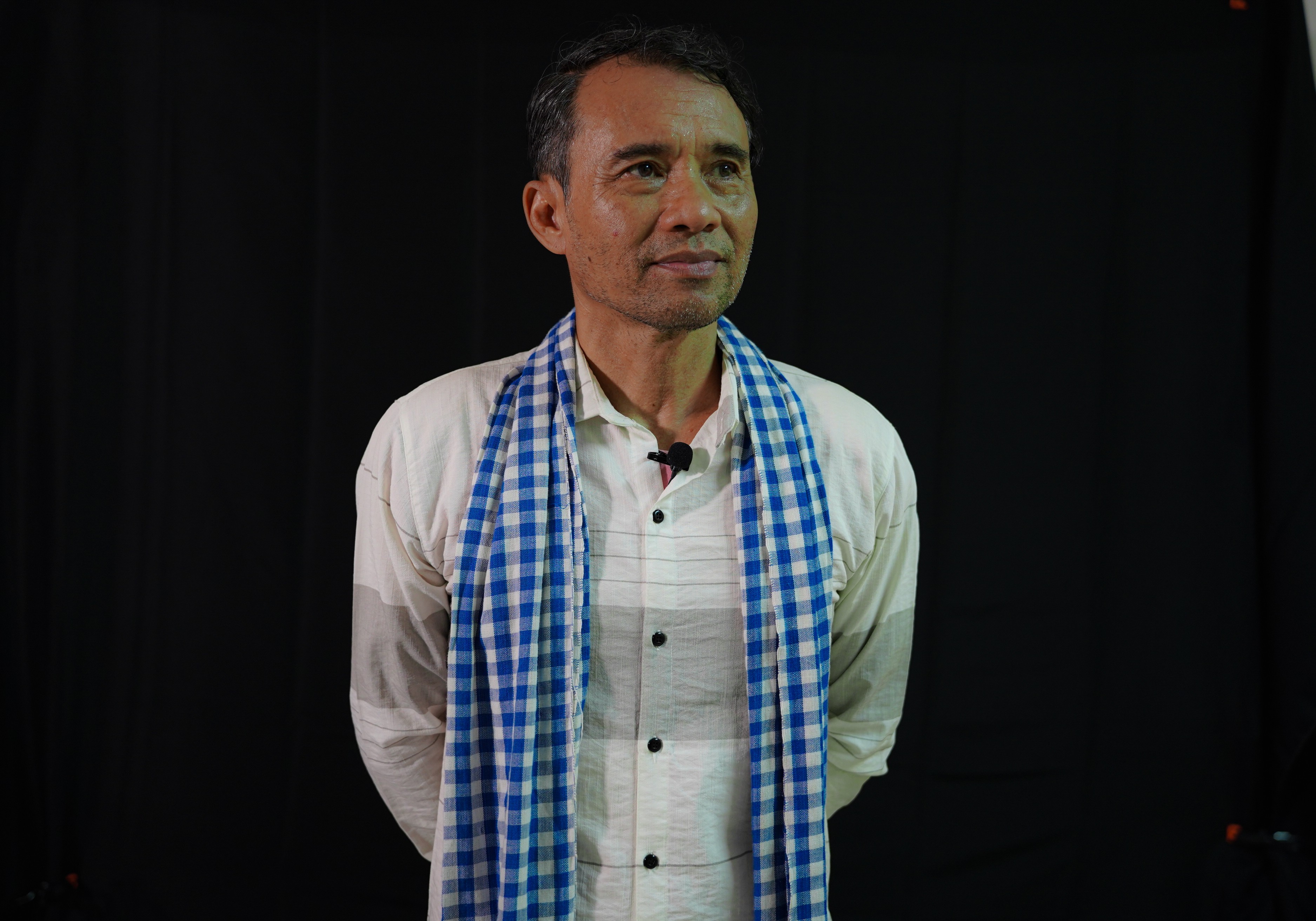
VideoConversations with Arn across media platforms, offering personal reflections on survival, cultural preservation, and the responsibilities that come with remembering and rebuilding.
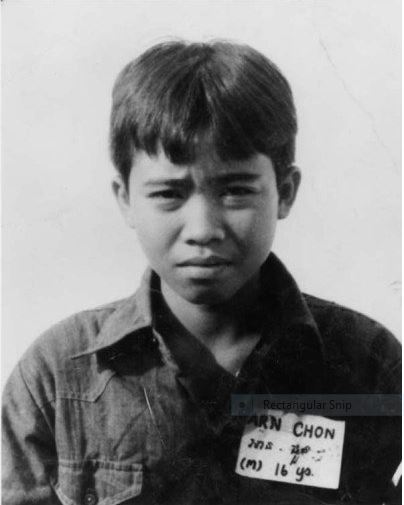
A deeply personal radio interview in which Arn reflects on surviving the Khmer Rouge, the power of music to preserve life, and his journey toward healing.
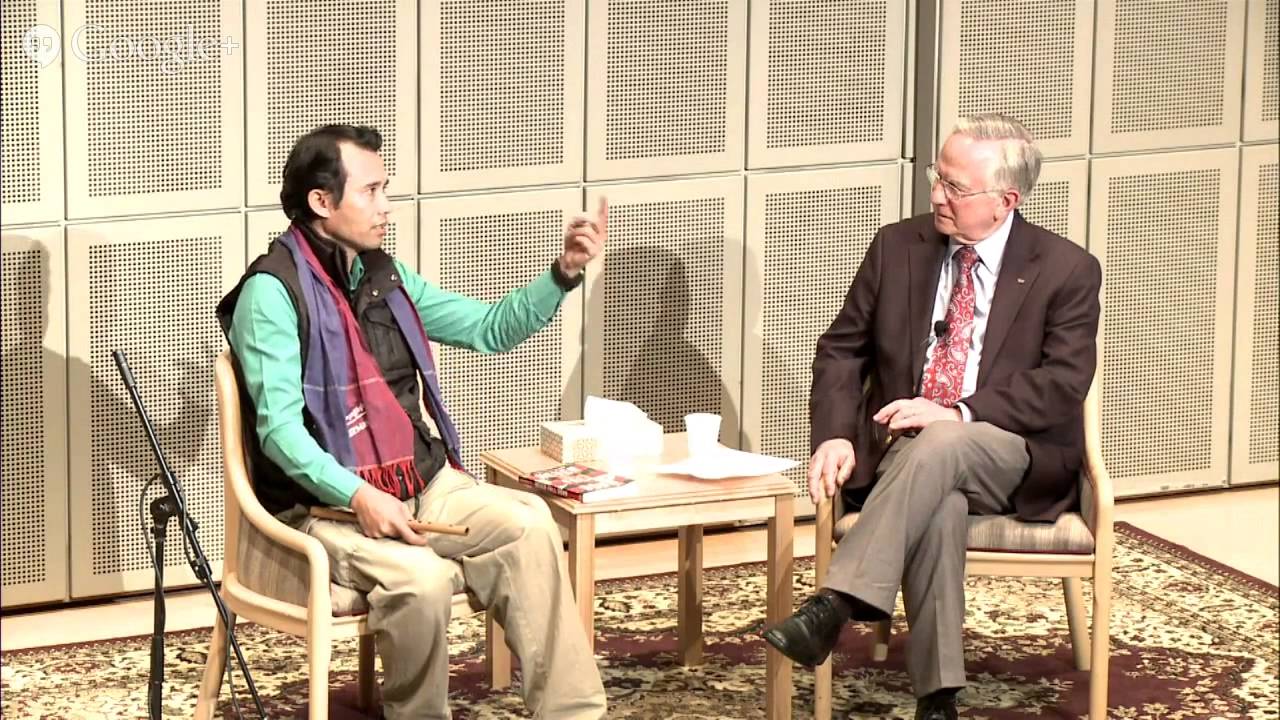
On April 27, 2015, Arn shared his life story in an interview with Alfred Munzer, Holocaust survivor. This presentation was held The United States Holocaust Museum.
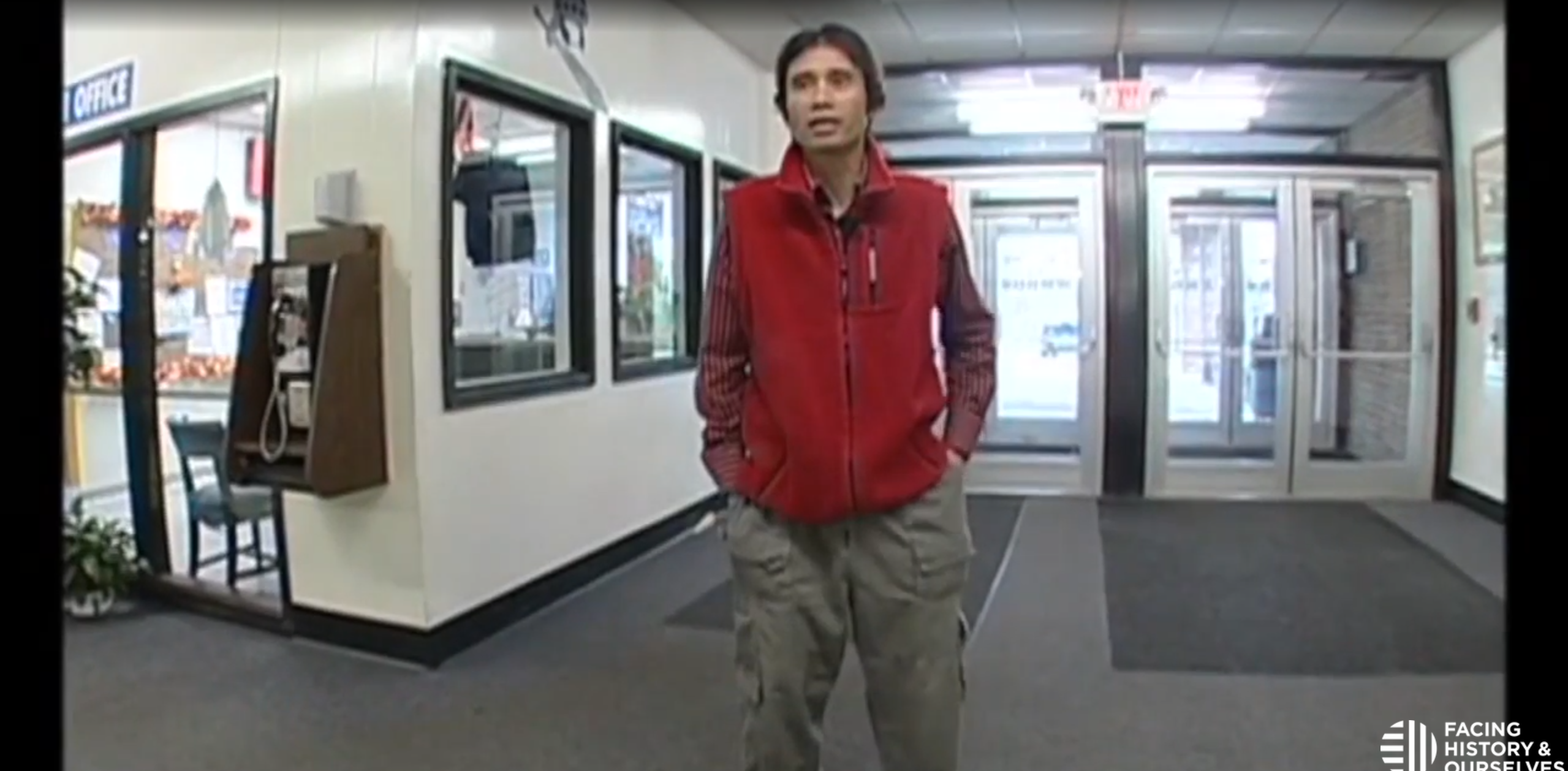
Arn discusses memory, trauma, and moral responsibility, sharing how storytelling and music help societies confront violent pasts.
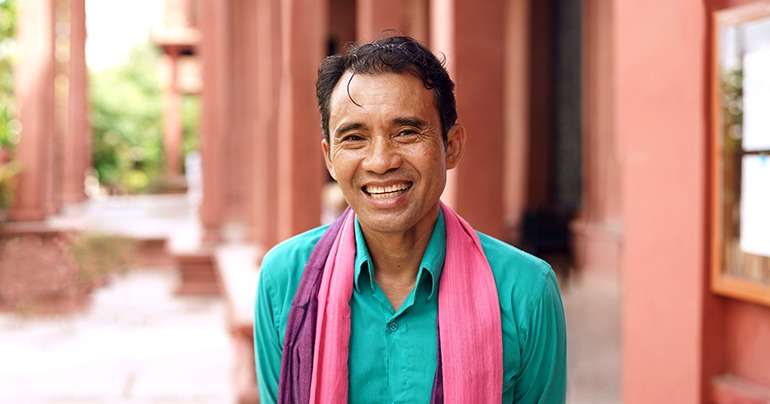
A written interview exploring Arn’s life story, identity, and commitment to cultural preservation in post-genocide Cambodia.
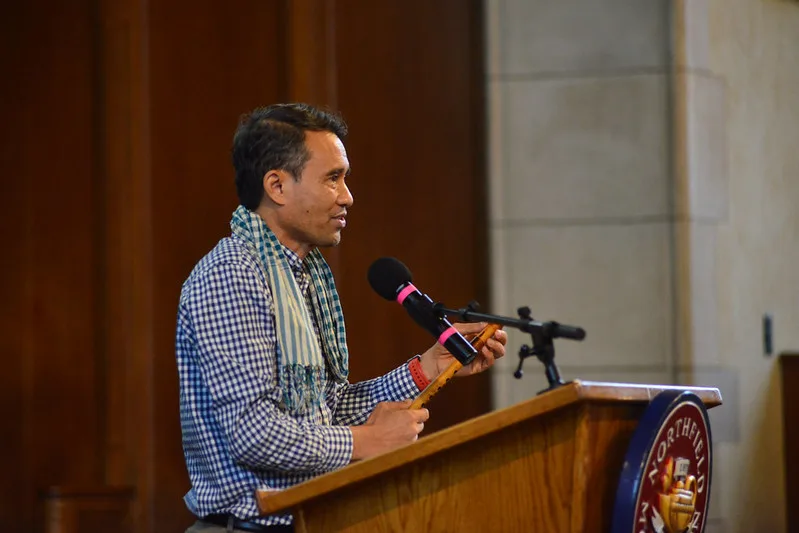
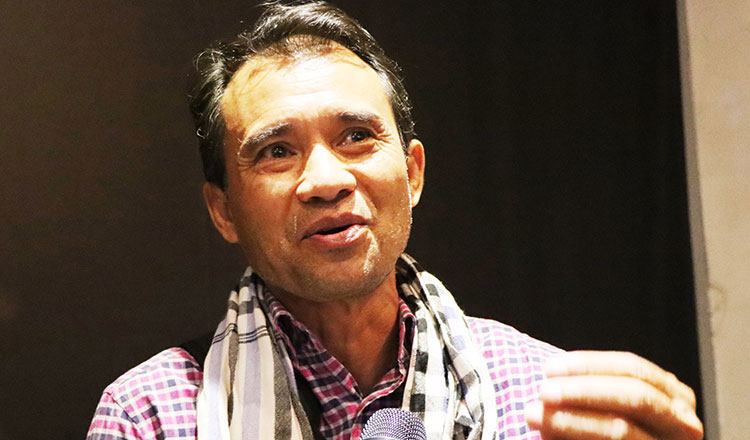
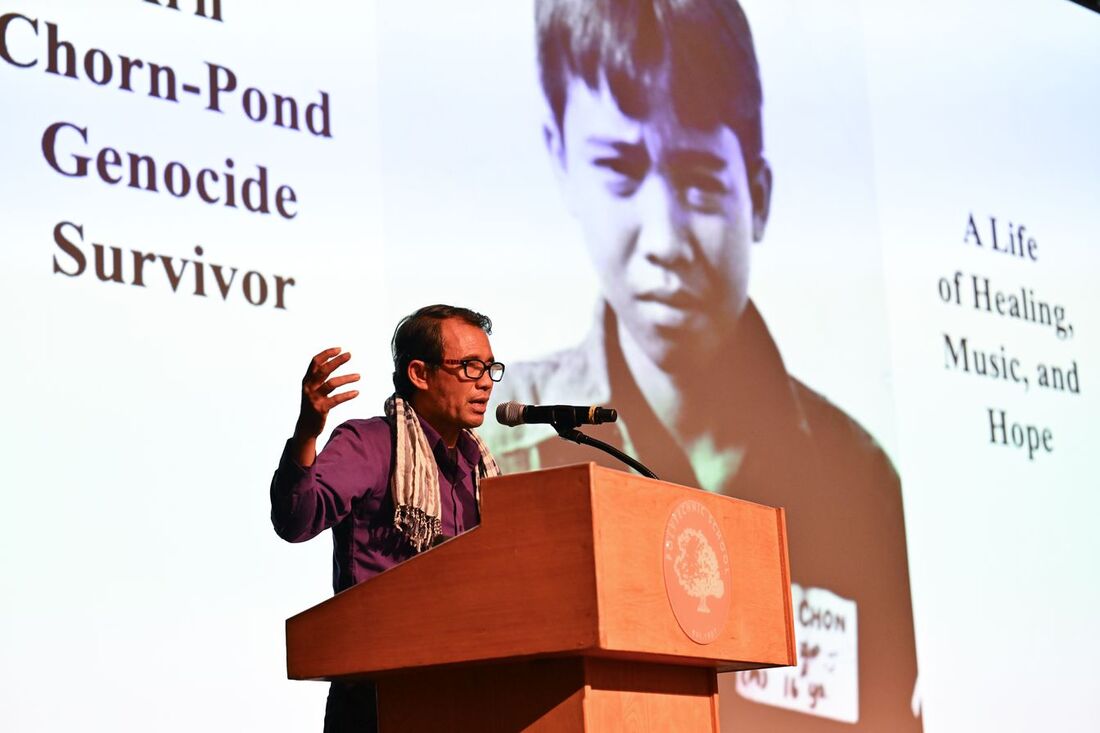
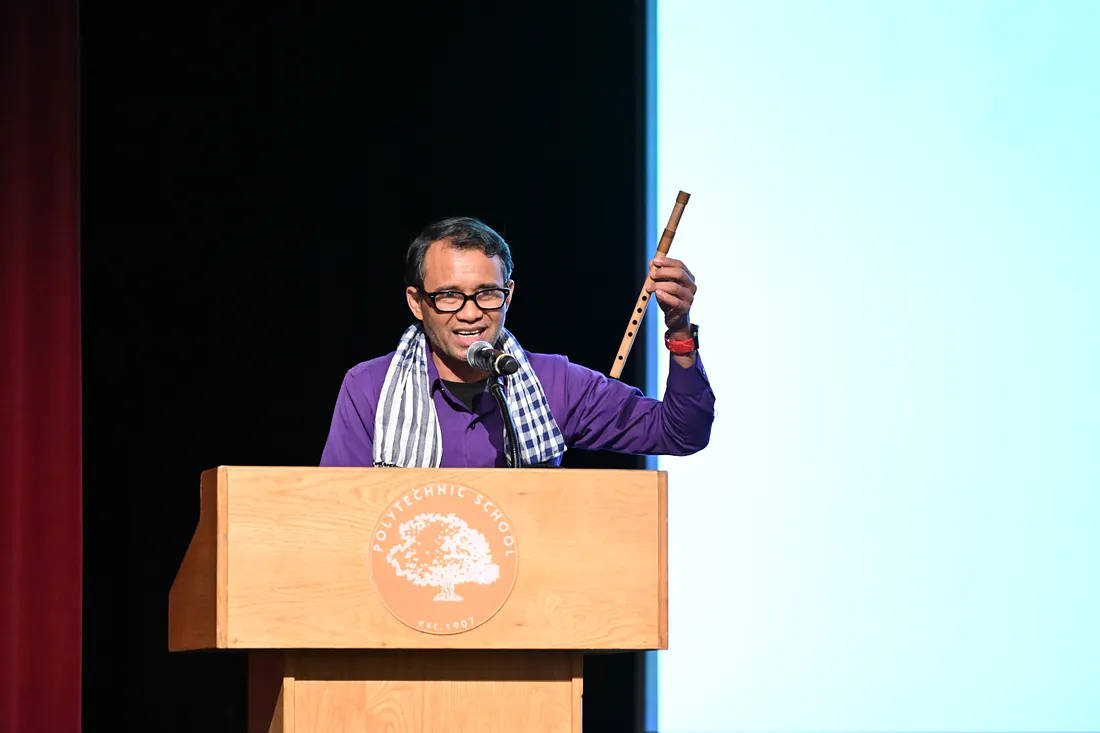
Public talks and keynote addresses delivered at universities, cultural institutions, and international forums, where Arn shares his story and speaks on peace, resilience, and the power of the arts.
Type: Major public address & testimony
Date: 1984 (first major public speech)
Arn Chorn-Pond spoke at the Cathedral of St. John the Divine in New York City before an audience of approximately 10,000 people, becoming one of the first Cambodian genocide survivors to publicly describe what was happening in Cambodia under the Khmer Rouge. At a time when much of the world remained unaware or silent, Arn’s testimony helped bring international attention to the scale of the violence, human suffering, and cultural destruction taking place. The event marked a defining moment in his transition from survivor to public witness and advocate.
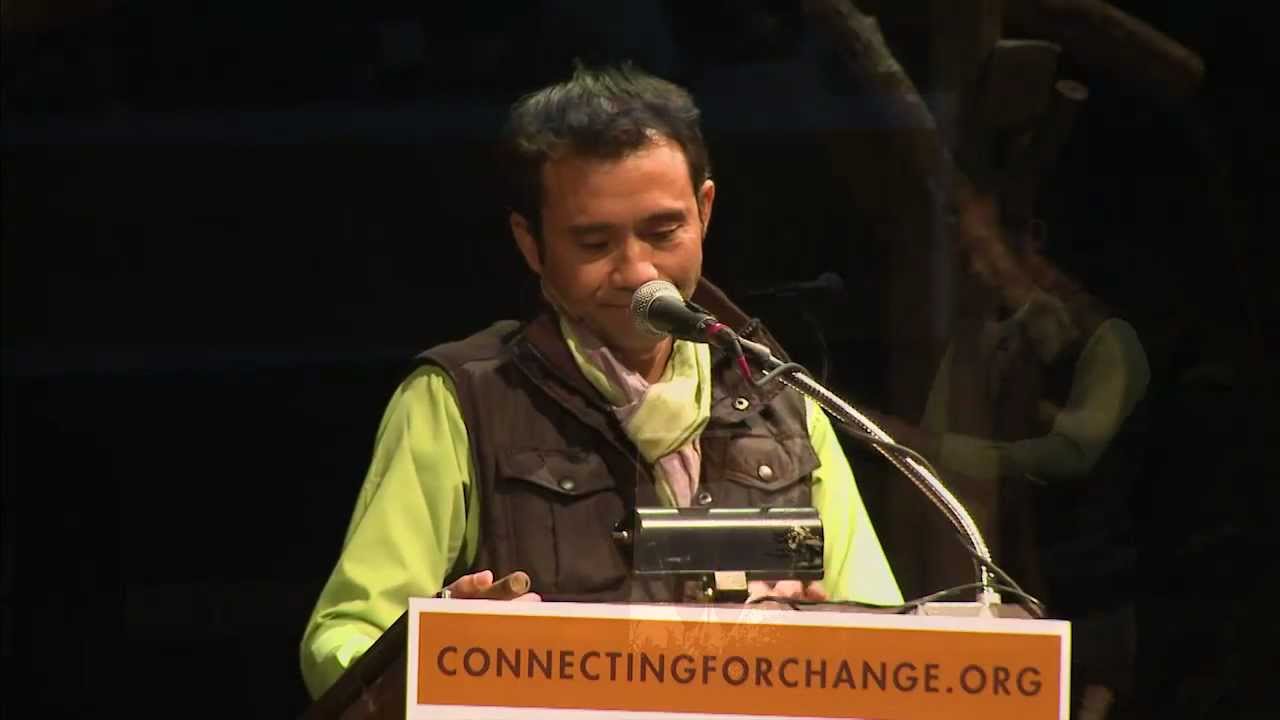
Dates: 2019
Type: Public keynote & speech
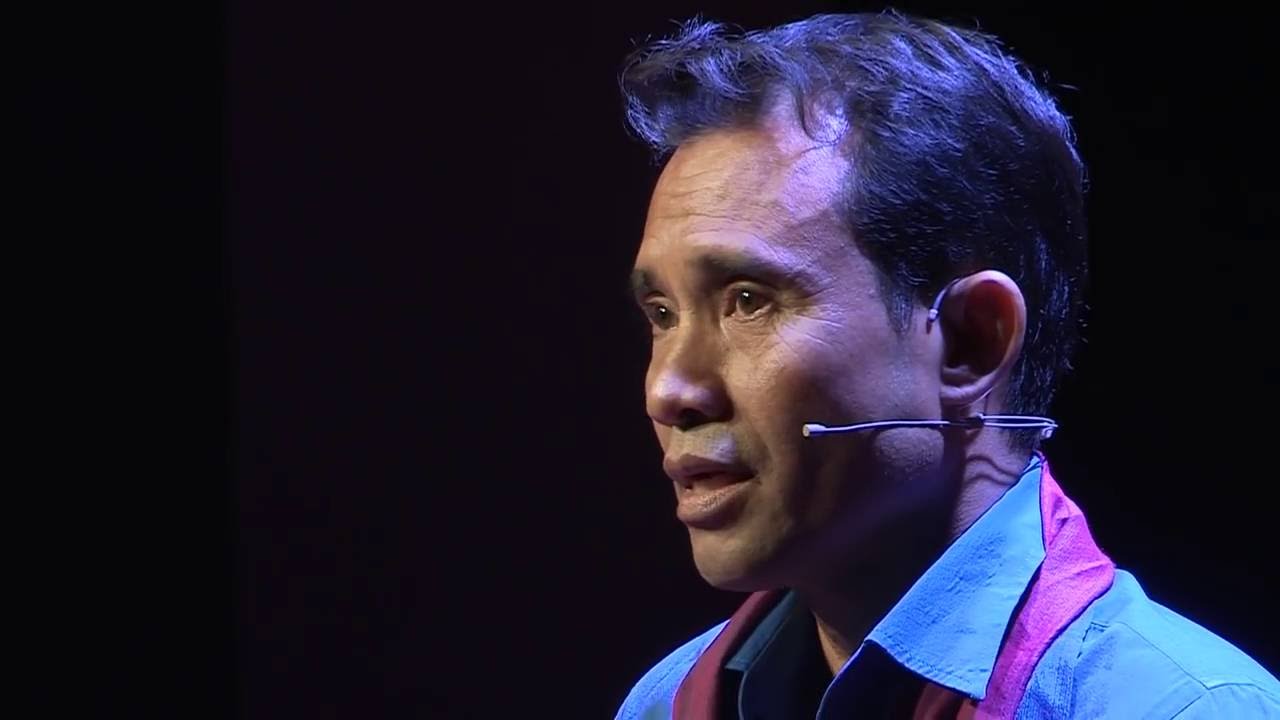
Arn Chorn-Pond, joined by author Patricia McCormick, delivers a keynote address at a Connecting for Change event, sharing his personal journey from surviving the Khmer Rouge to becoming a global human rights advocate and cultural leader, and inspiring the audience with reflections on resilience, healing, and the power of storytelling.
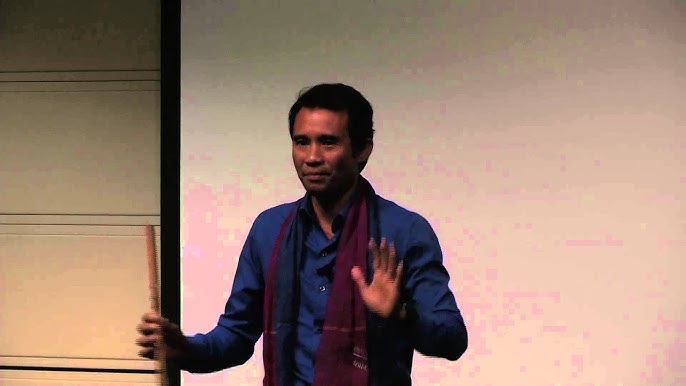
Dates: 2019
Type: International keynote & cultural advocacy speech
Arn has spoken at the World Forum on Music, a UNESCO-affiliated gathering of global cultural leaders, on the power of music as a tool for healing, memory, and reconciliation. His talks emphasize music’s role in post-conflict recovery and the responsibility of the international community to protect endangered cultural traditions.
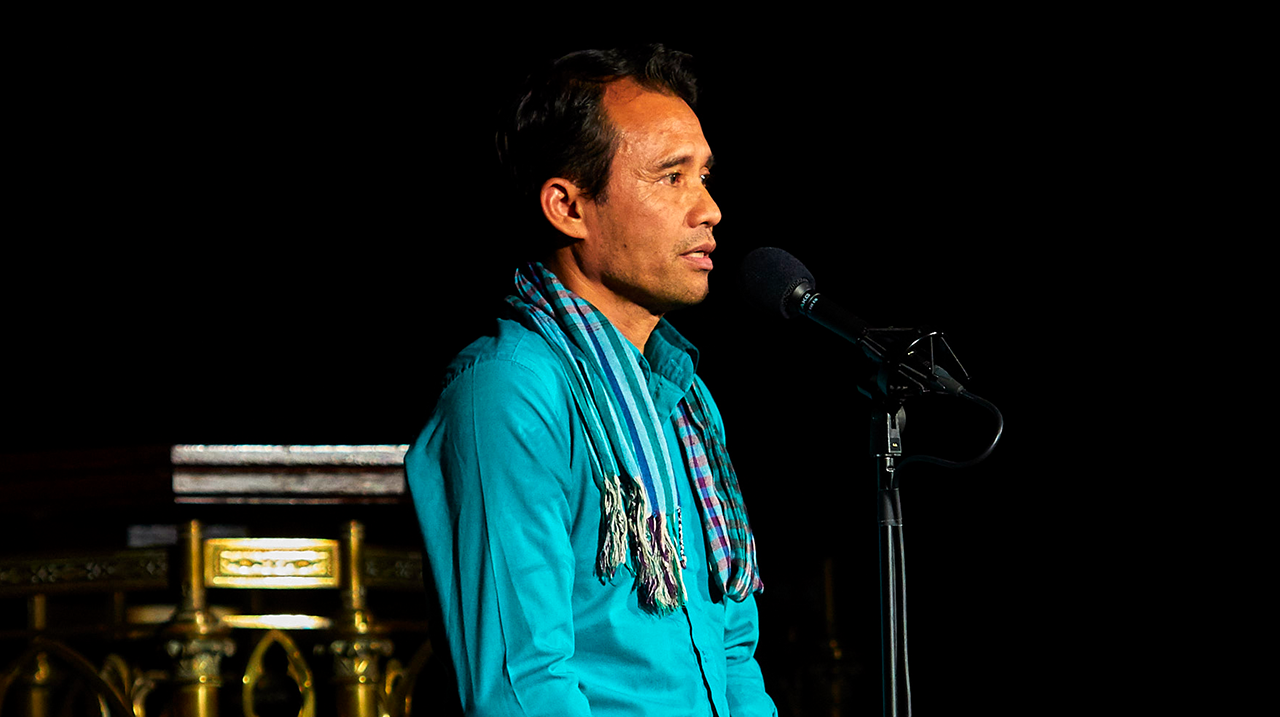
Dates: 2012
Type: University keynote & educational talk
At SUNY Oswego’s Hart Hall Global Awareness Conference, Arn Chorn-Pond delivered talks focused on global responsibility, post-conflict healing, and the long-term effects of genocide on individuals and societies. His presentations connect lived experience with broader conversations about human rights, education, and cultural preservation.
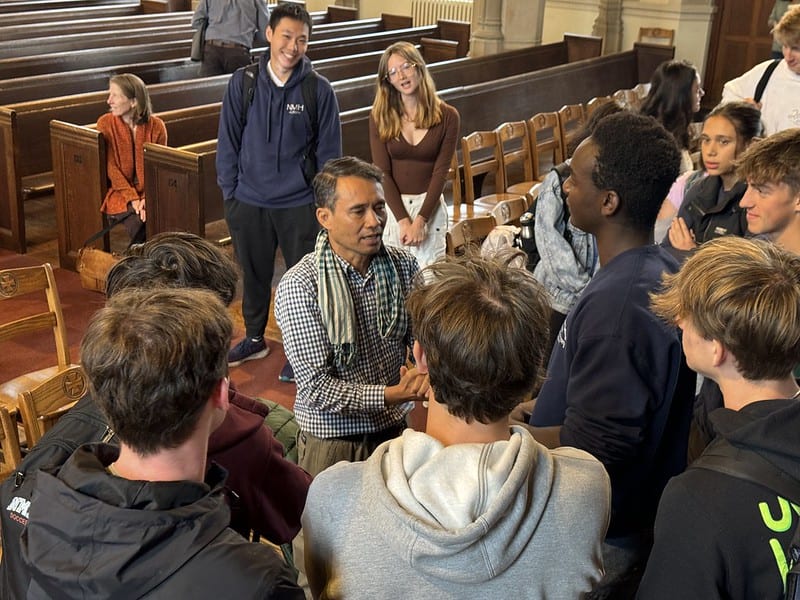
Date: Ongoing (1990s - Present)
Type: Public lectures, cultural keynotes
Arn Chorn-Pond has spoken at universities across the United States and internationally, sharing his story of surviving the Khmer Rouge genocide and rebuilding life through music and education. These talks often combine storytelling, live music, and student dialogue, encouraging young people to think deeply about empathy, justice, and global citizenship.

Dates: Ongoing (2000s–present)
Type: Public lectures, cultural keynotes
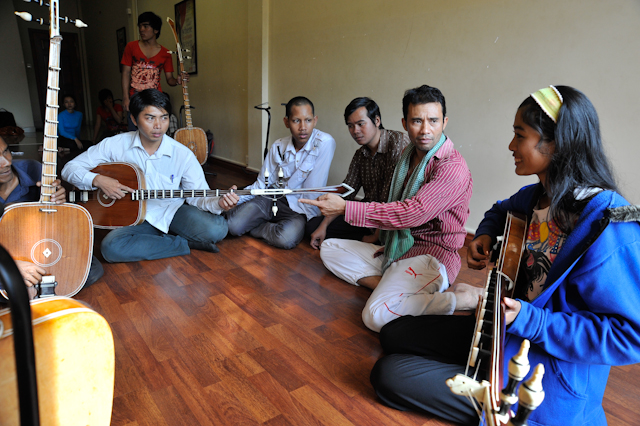
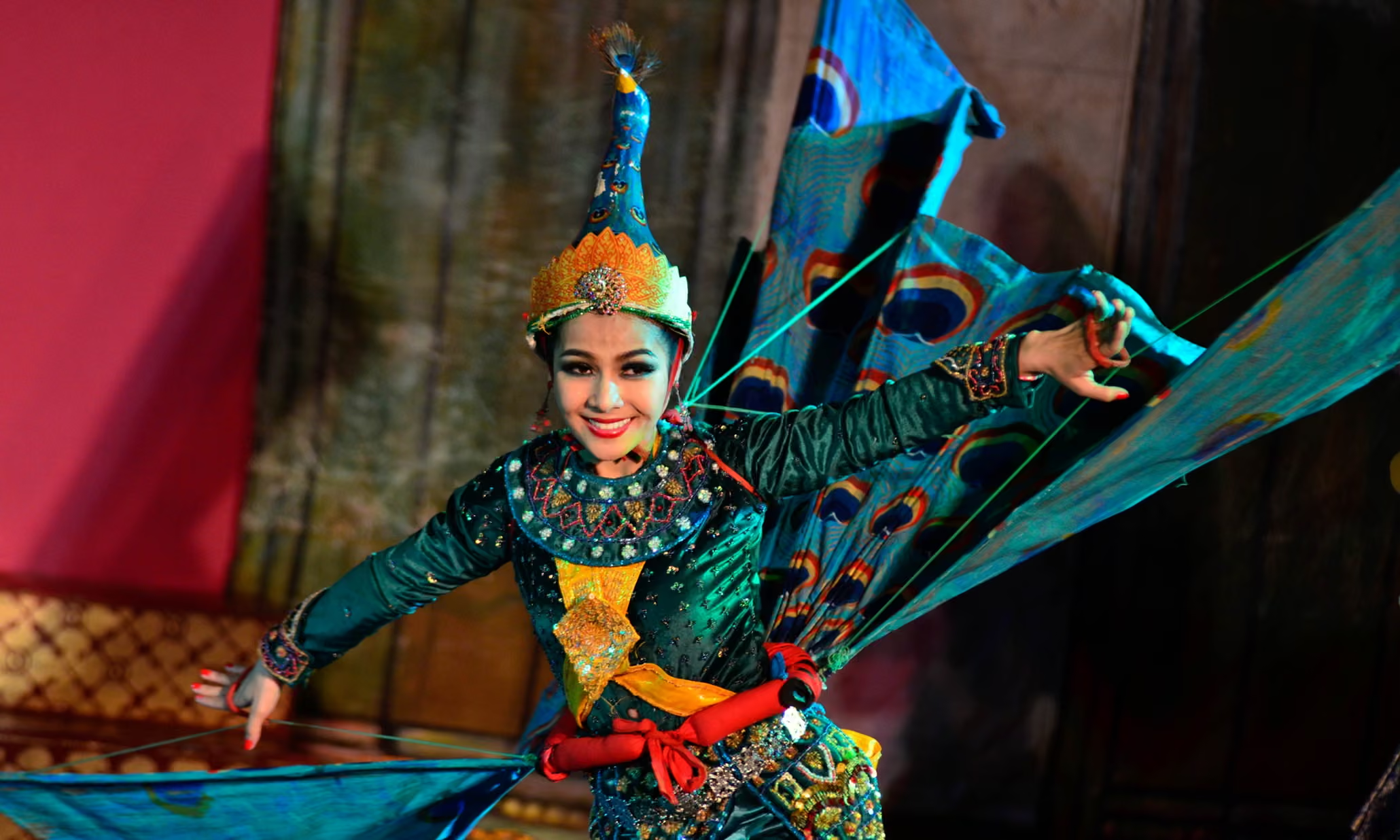
As the founder of Cambodian Living Arts, Arn regularly delivers public talks and keynote addresses on cultural survival, post-genocide healing, and the revival of Cambodia’s artistic heritage. These talks highlight the resilience of artists, the importance of intergenerational knowledge, and the role of culture in long-term peacebuilding.
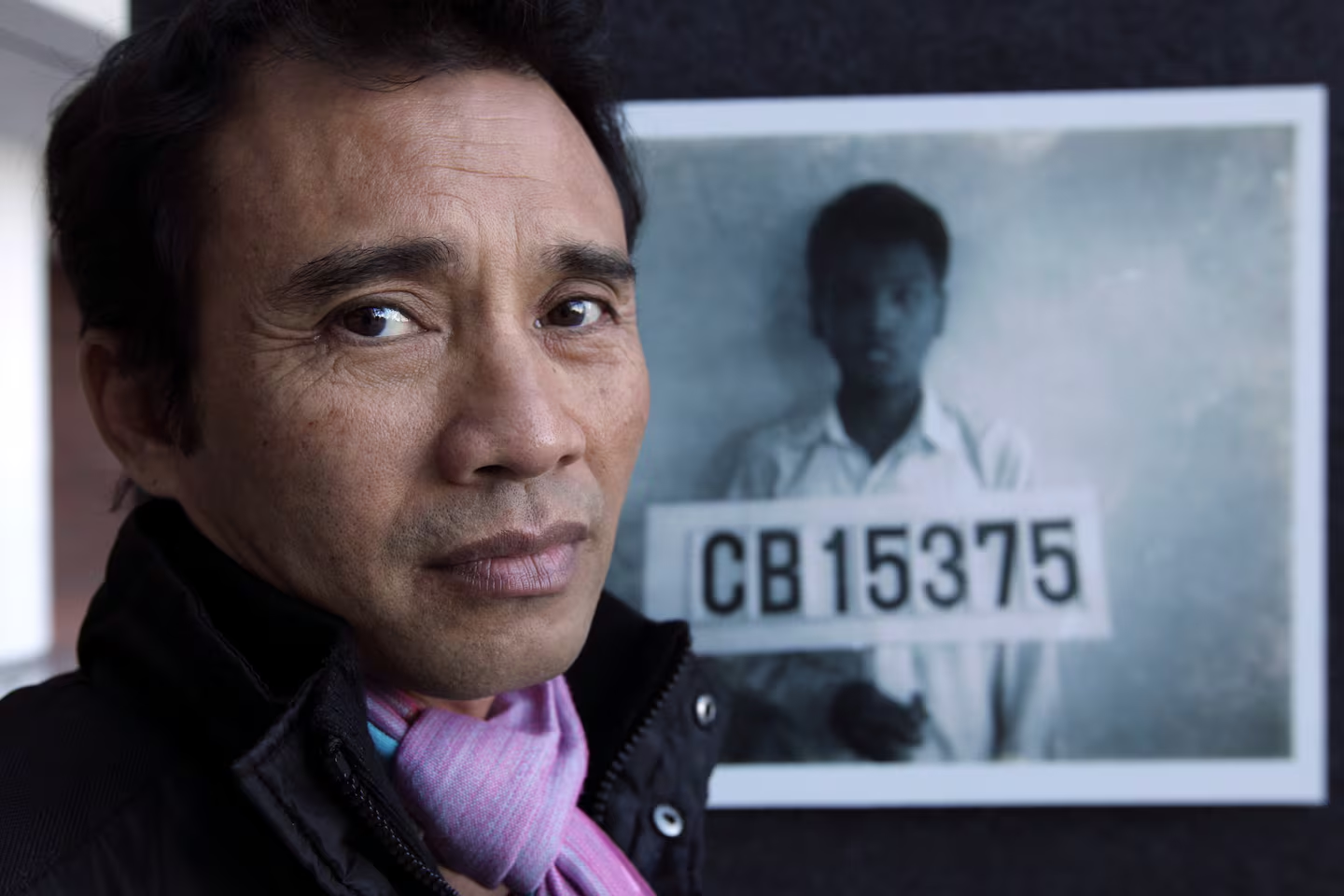
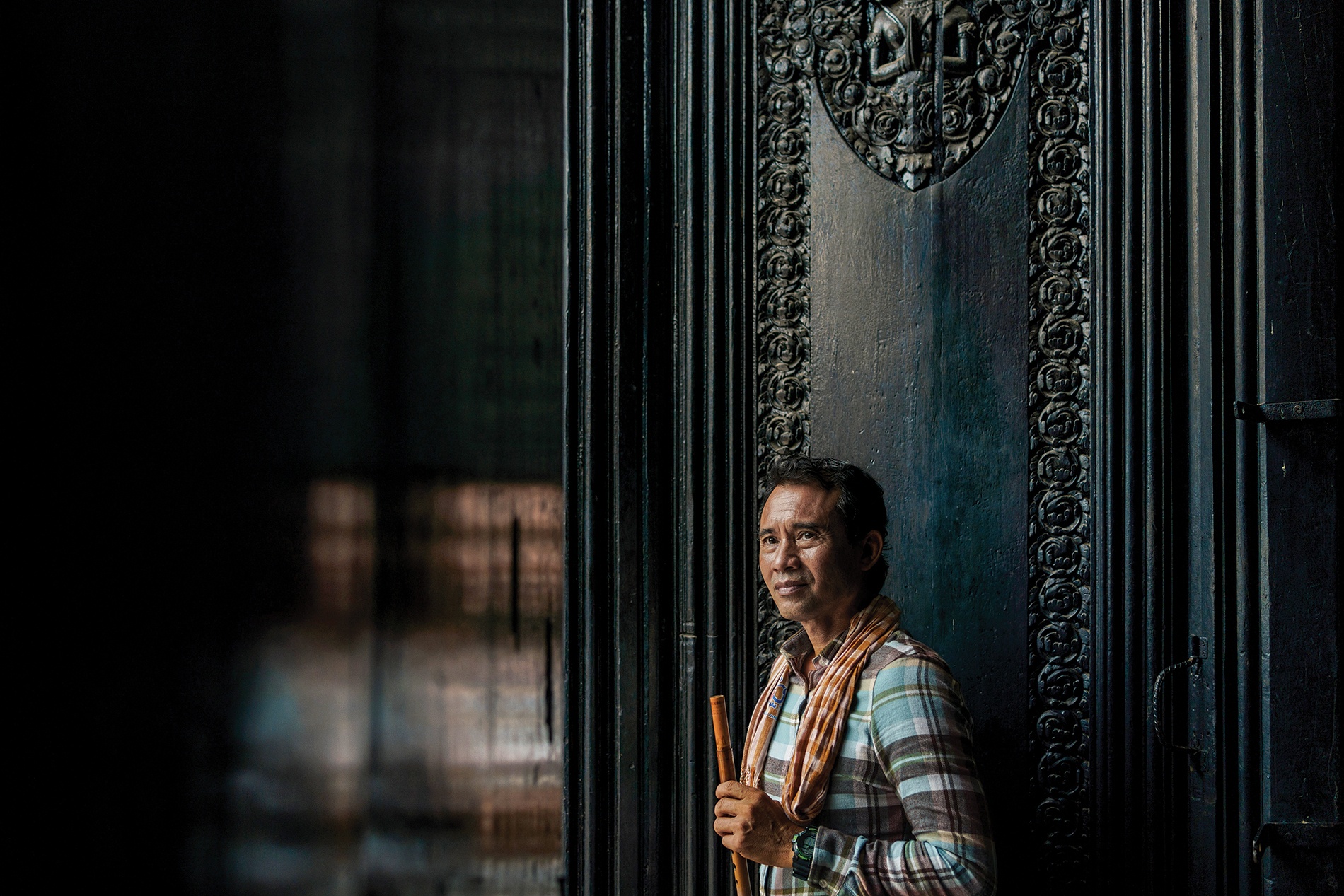
On top of the work that Arn does, he also creates his own music, covering classic songs from the past. Making music by singing and playing flute helps Arn to process his past and continue the healing journey.




.svg)