Behind The Work
Early Life, Music, and Survival
Arn Chorn-Pond was born in 1966 in Battambang, Cambodia, into a family deeply rooted in traditional Cambodian performance. Music, dance, and storytelling were not extracurricular activities in Arn’s childhood—they were life itself. His family performed in the Cambodian Opera, and from a young age Arn absorbed the rhythms, melodies, and spiritual significance of Khmer music as a living cultural inheritance.
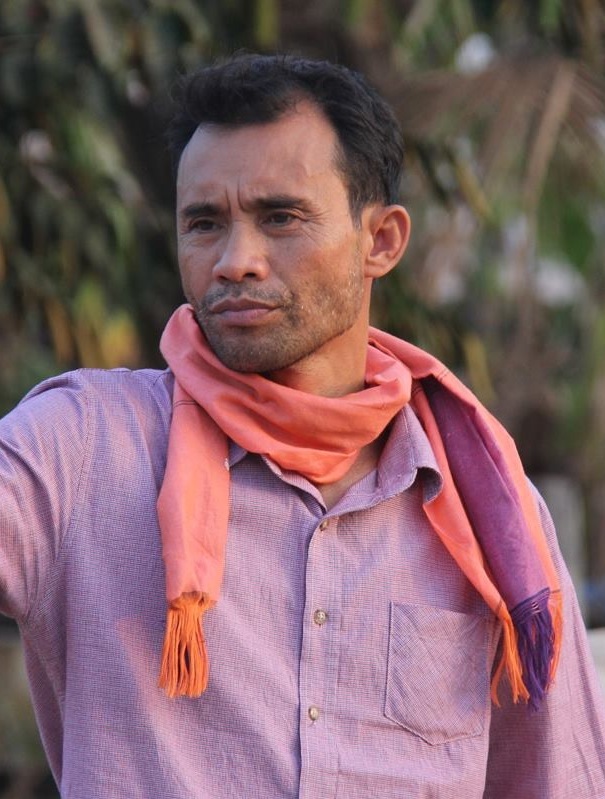
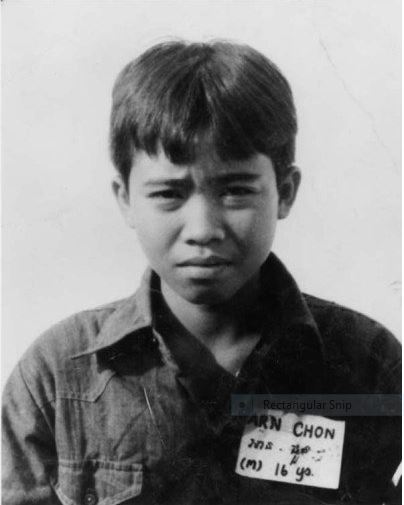
That world was violently shattered when the Khmer Rouge seized power in 1975. Like millions of others, Arn was forcibly separated from his family and sent to a children’s labor camp. Hunger, brutality, and constant fear defined daily life. Many children around him did not survive; Arn did—largely because of music. When guards discovered his ability to play the flute, they spared him, using his music for their own purposes. In a place designed to erase humanity, music became his means of survival.
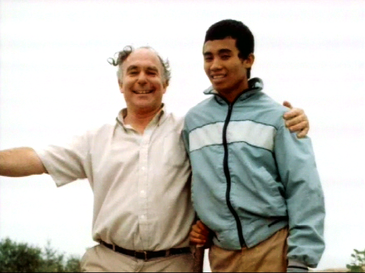
After years of forced labor and trauma, Arn escaped and eventually made his way to a refugee camp along the Thai–Cambodian border. There, amid displacement and uncertainty, he encountered Peter Pond, a Lutheran minister and aid worker. Recognizing both Arn’s resilience and the depth of what he had endured, Peter adopted Arn in 1980 and brought him to the United States, settling in New Hampshire. Arn arrived in America carrying profound trauma—but also an unextinguished connection to music and meaning.
Finding His Voice and Speaking Truth
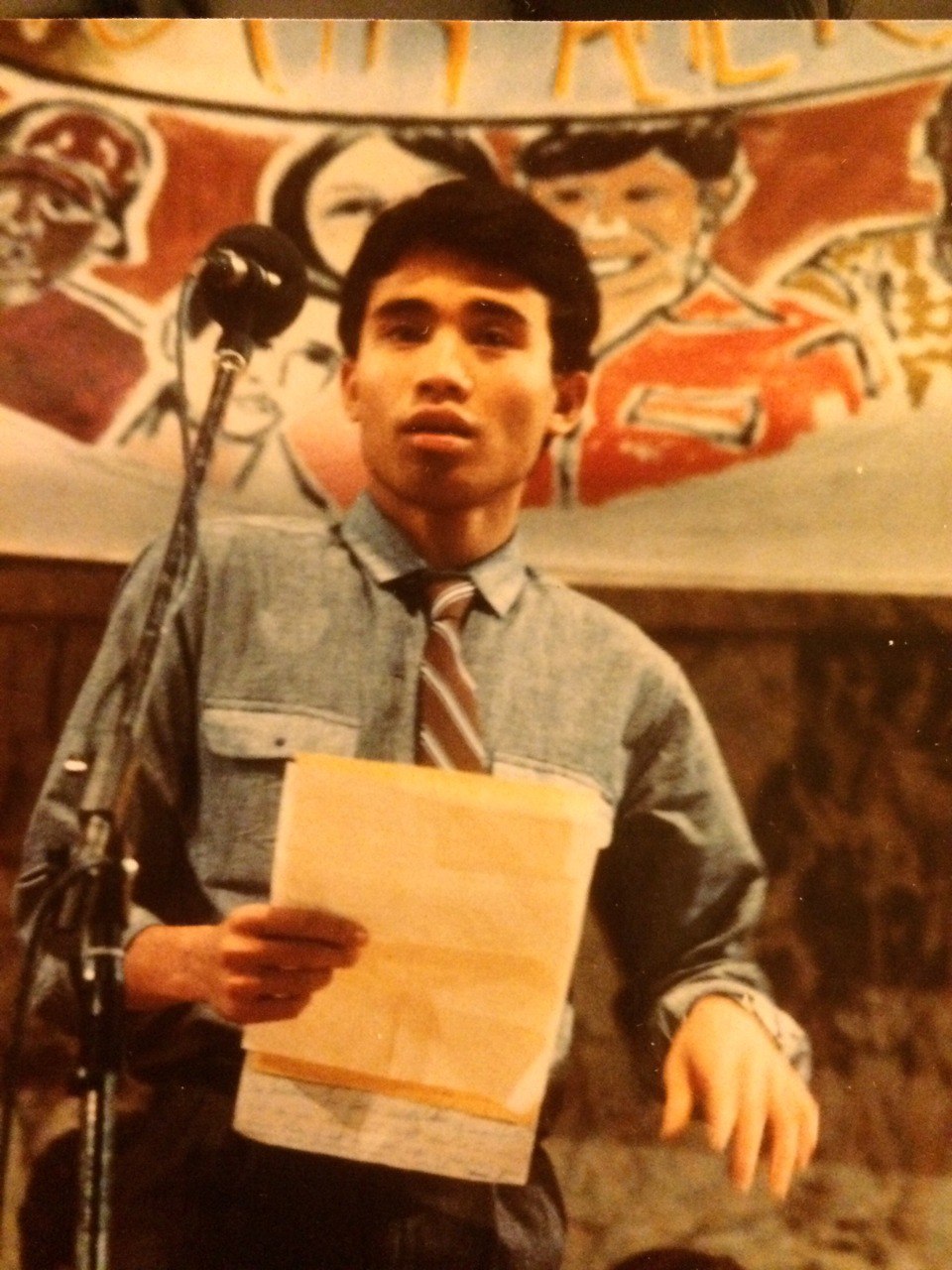
Only a few years after arriving in the U.S., Arn did something unprecedented. In 1984, at just 18 years old, he became the first former Cambodian child soldier to publicly speak about the Khmer Rouge genocide. Standing before an audience of 10,000 people at the Cathedral of St. John the Divine in New York City, Arn shared his story—not as a historian, but as a survivor. This moment marked a turning point. Arn realized that telling the truth about what happened in Cambodia was not only a personal act of healing, but a moral responsibility. His voice carried the stories of those who had been silenced.
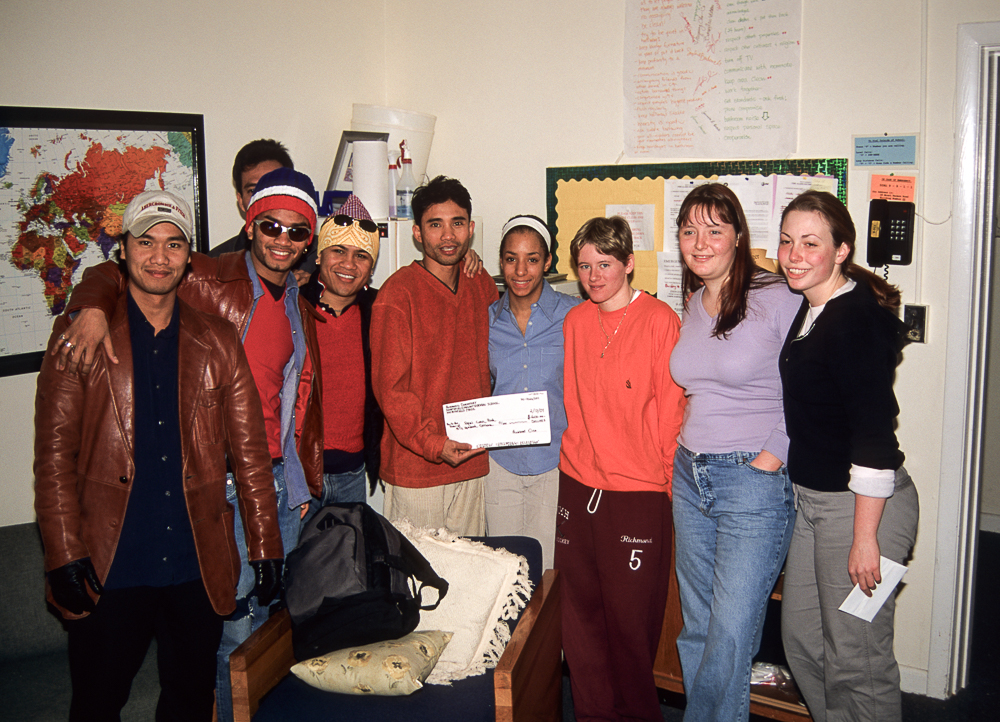
Soon after, Arn co-founded Children of War, an organization dedicated to helping young people affected by trauma—including war, abuse, poverty, racism, and family instability. The organization reflected Arn’s growing belief that healing must address emotional wounds, not just physical survival.
Education, Mentorship, and Community Work in the U.S.
Arn pursued higher education at Brown University and later attended Providence College. During this time, he became deeply involved in community-based work with Southeast Asian youth, many of whom were struggling with displacement, identity, and intergenerational trauma.

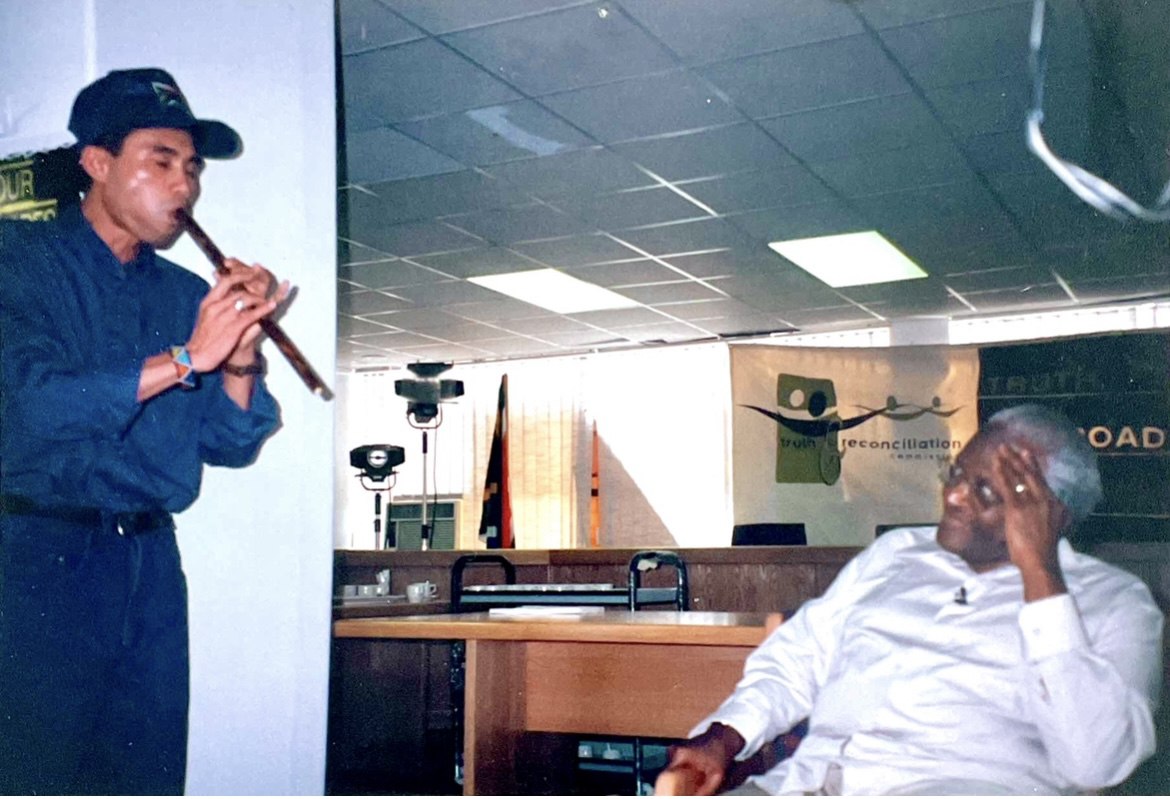
In Providence, Rhode Island, Arn co-founded the Southeast Asian Big Brothers/Big Sisters of America Association, creating mentorship networks for young people navigating life in the U.S. He also founded Peace Makers, a gang-intervention and violence-prevention program tailored to Southeast Asian communities. Arn understood that the trauma of genocide does not end with one generation—it echoes forward unless addressed with care, structure, and compassion.
Returning Home and Reclaiming a Broken Lineage
.jpg)
In the mid-1990s, Arn returned to Cambodia for the first time since fleeing as a child. What he found was devastating. Nearly 90% of Cambodia’s artists and intellectuals had been killed under the Khmer Rouge. The music of his childhood—entire art forms—was on the brink of extinction.
.jpg)
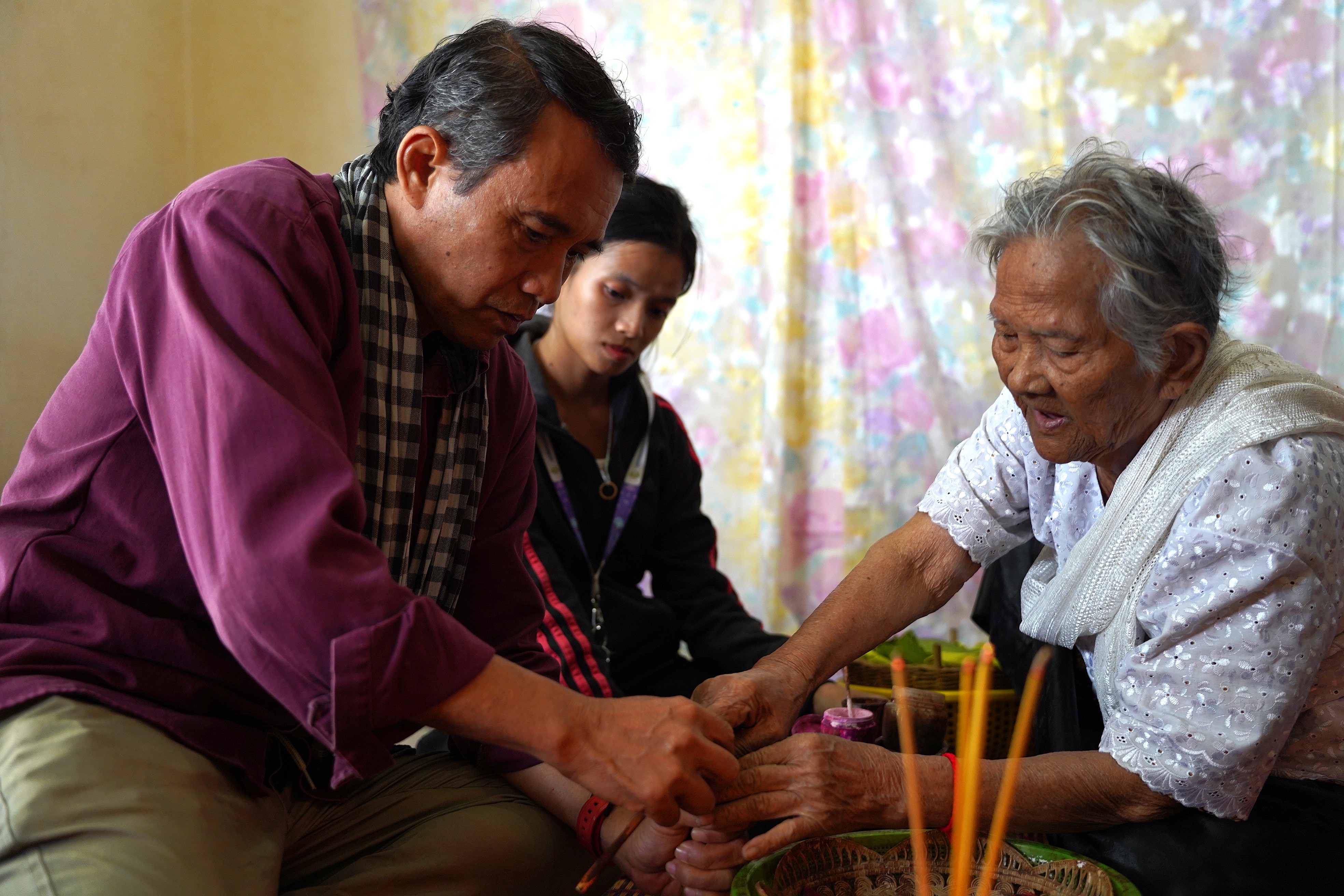
Arn began searching for survivors: former masters of traditional music and dance, many of whom were elderly, impoverished, and traumatized. He reunited with his former music teacher from the Khmer Rouge era and tracked down performers who had once been stars of Cambodia’s cultural life. These meetings were painful, profound, and clarifying. Arn realized that saving Cambodian culture was not about nostalgia—it was about restoring dignity, continuity, and identity to a wounded nation.
Founding Cambodian Living Arts
.jpg)
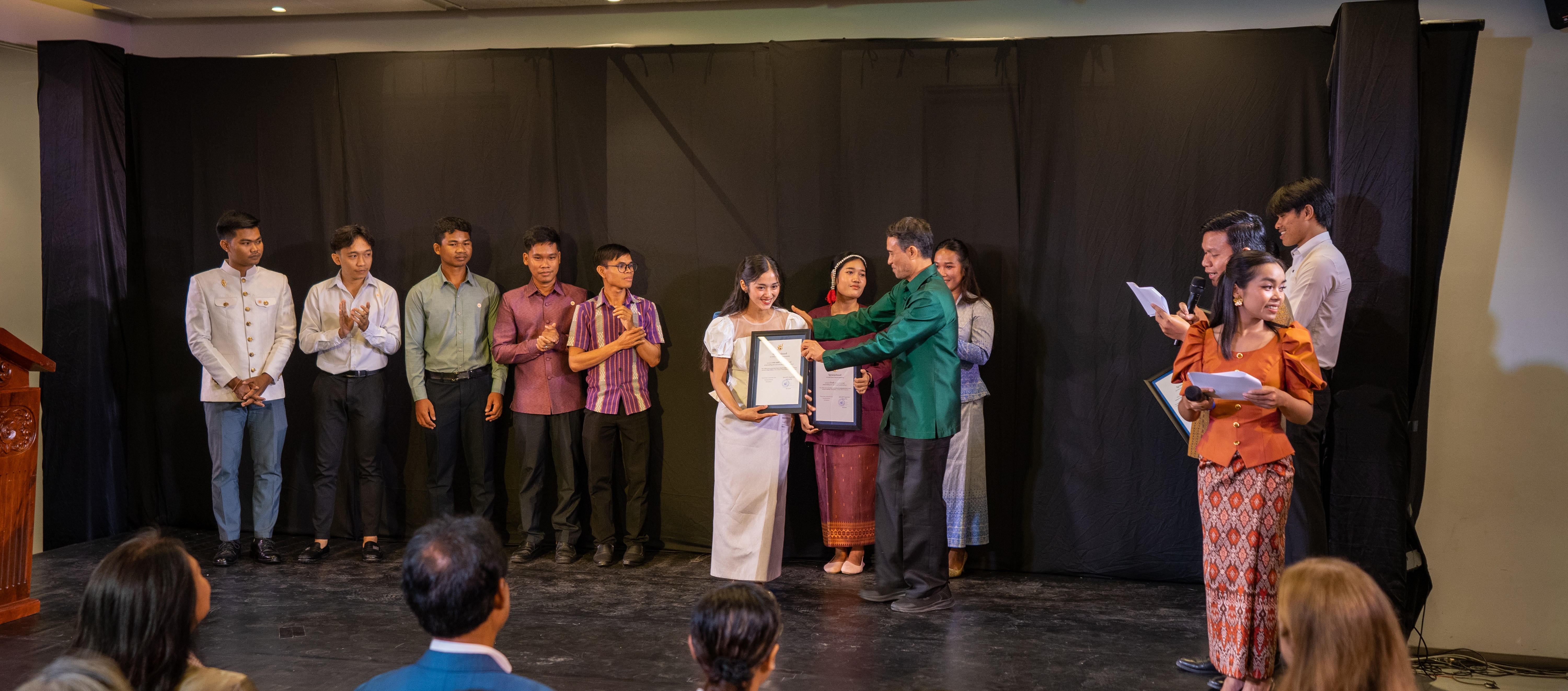
In 1998, Arn founded the Cambodian Master Performers Program, which later became Cambodian Living Arts (CLA). The initial mission was simple but urgent: locate surviving master artists and support them in passing their knowledge to younger generations.
Over time, Cambodian Living Arts grew into a multifaceted cultural institution. Today, CLA supports artists through scholarships, fellowships, training programs, workshops, commissions, arts education initiatives, and a cultural enterprise that provides sustainable livelihoods for Cambodian performers. What began as an act of cultural rescue has become a model for arts-led healing and development.
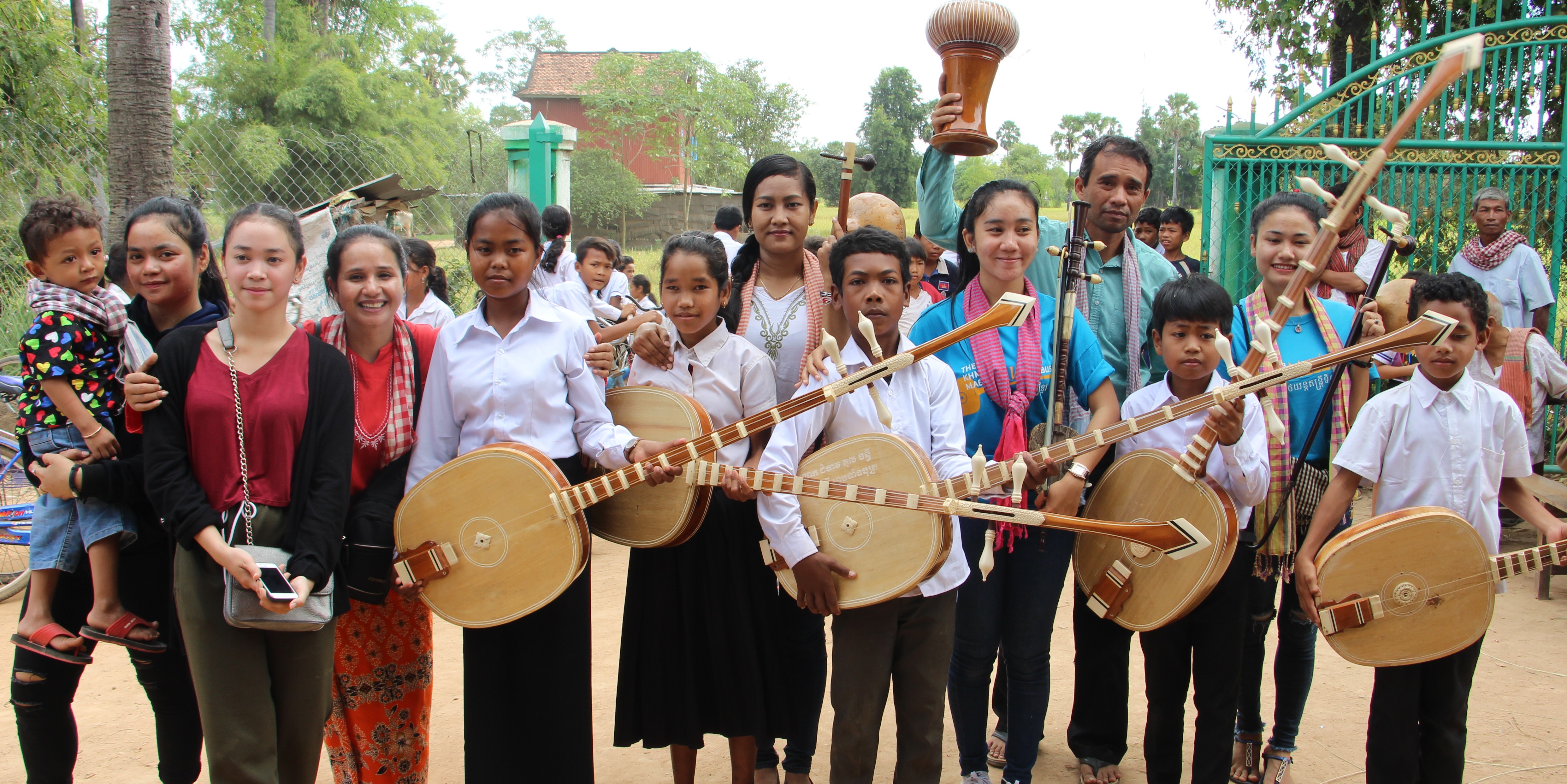
Arn remains especially involved with the Khmer Magic Music Bus, a mobile program that brings live performances, demonstrations, and storytelling to villages and communities across Cambodia—many of which have little access to the arts. The bus is both symbolic and practical: culture returning to the people, not confined to elite spaces.
Legacy, Healing, and Ongoing Work
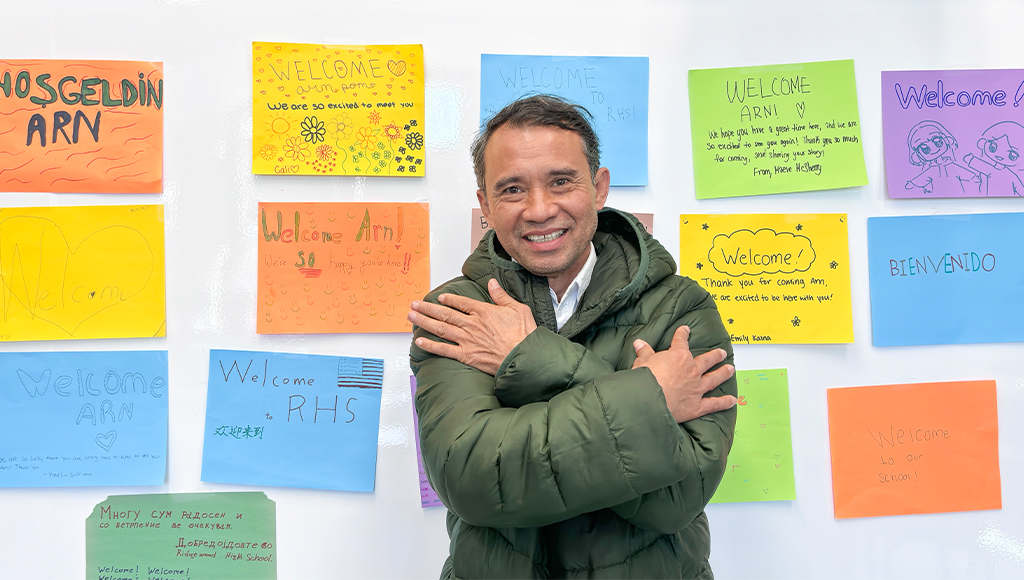
Today, Arn Chorn-Pond lives in Cambodia, where he continues to work closely with Cambodian Living Arts and its artists. He is deeply committed to supporting elderly musicians—ensuring their lives, knowledge, and contributions are honored while they are still alive.

Beyond cultural preservation, Arn’s work centers on forgiveness, reconciliation, and education about the Khmer Rouge genocide. He engages with survivors, refugees, young people, and international audiences, emphasizing that healing is not about forgetting the past, but transforming it into wisdom.
As a global public speaker, Arn’s presence is disarming and profound. He does not speak with bitterness, but with clarity, humility, and warmth. His story—of survival through music, of returning to rebuild what was nearly lost—continues to inspire audiences around the world.
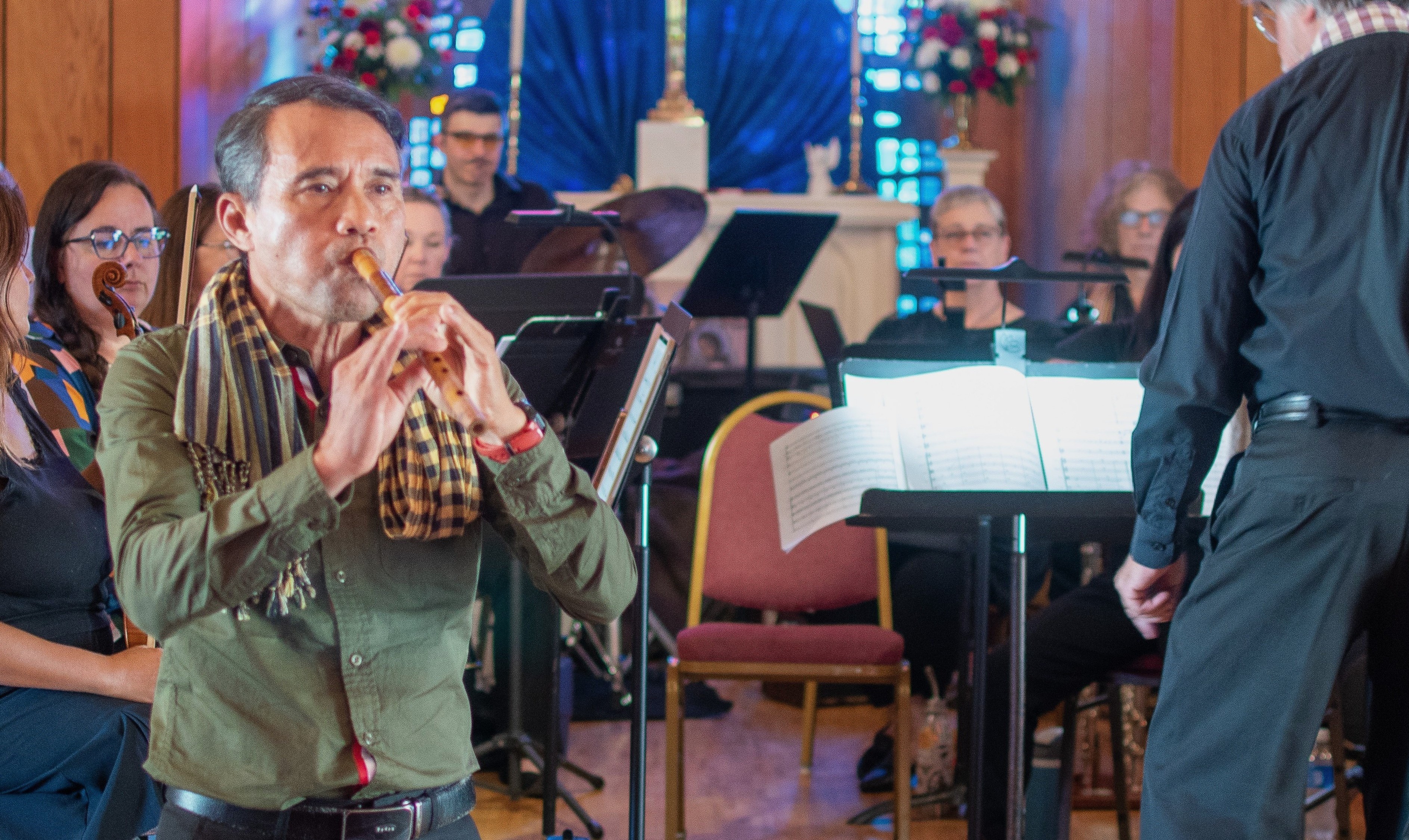
Arn Chorn-Pond’s life stands as a testament to the enduring power of culture to heal trauma, rebuild identity, and carry hope across generations.